Concrete Curbing vs. Plastic or Metal Landscape Edging
Choosing concrete curbing or edging helps define landscape boundaries and enhance curb appeal, with local contractors ready to provide expert installation and customization.
Visitors exploring the differences between concrete curbing and plastic or metal landscape edging are in the right place. Property owners in the area often consider these options to enhance their outdoor spaces, whether aiming for a polished appearance, improved durability, or easier maintenance. Understanding the practical benefits of each material can help make informed decisions that align with specific landscaping goals. Local contractors specializing in concrete curbing and edging services can provide insights and solutions tailored to the needs of homeowners and property managers alike, ensuring the chosen edging complements the overall landscape design.
As the conversation about landscape edging continues, it’s important to recognize the advantages that concrete curbing offers compared to plastic or metal alternatives. Concrete provides a long-lasting, sturdy border that can withstand the elements and physical wear, making it a popular choice for defining garden beds, walkways, and lawn boundaries. Meanwhile, local service providers are equipped to handle the installation and customization of concrete curbing, helping property owners achieve a clean, professional look that adds value and curb appeal to their properties. Keep reading to discover how these options compare and how local experts can assist in bringing your landscape vision to life.
- Concrete curbing - ideal for defining garden beds and pathways with a durable finish, and local contractors can customize designs to match landscape styles.
- Plastic or metal landscape edging - suitable for quick installations around lawns or flower beds, with service providers offering efficient and flexible options.
- Concrete curbing - often chosen for long-lasting borders in high-traffic or weather-exposed areas, with local pros ensuring proper installation for stability.
- Plastic or metal edging - preferred for temporary or removable borders, with local contractors providing versatile solutions to suit changing landscape needs.
- Concrete curbing - used for creating permanent, decorative borders that enhance curb appeal, with local pros handling detailed and precise work.
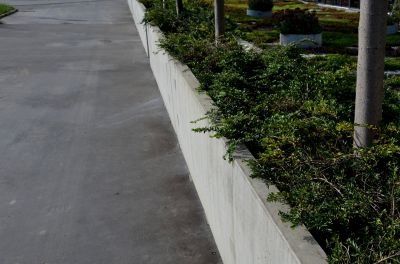
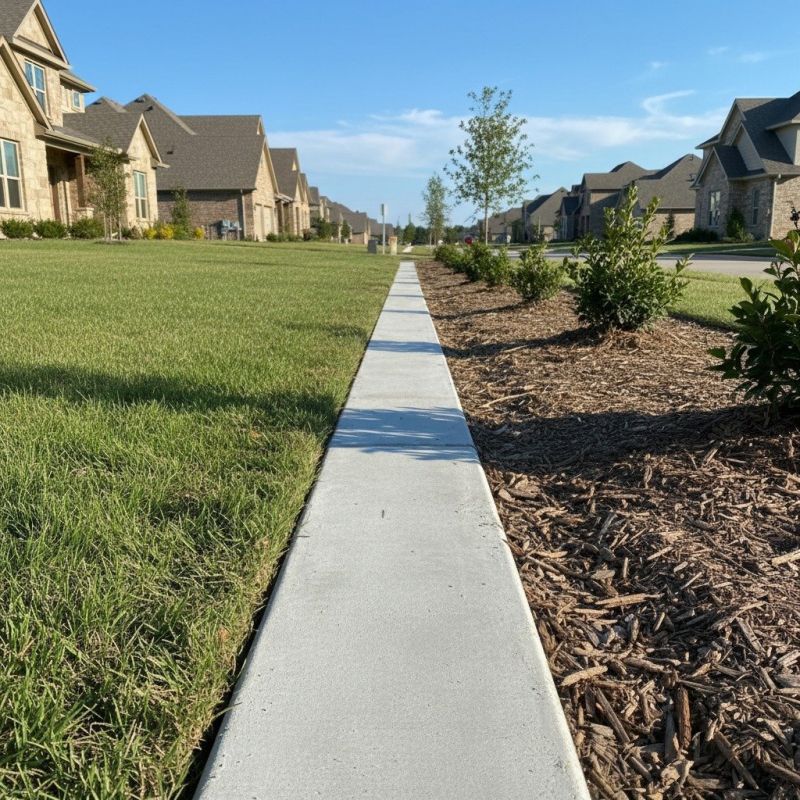
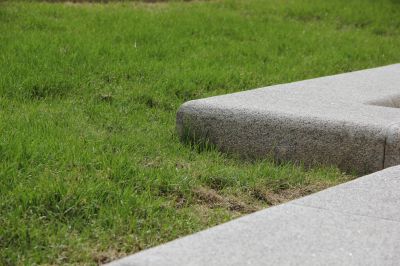
When homeowners search for information on concrete curbing versus plastic or metal landscape edging, they are typically exploring options to define and enhance their outdoor spaces. This comparison often arises during planning for garden borders, lawn separations, or flower bed edges. People may be trying to determine which material offers better durability, visual appeal, or low maintenance for their property. The decision is usually connected to larger landscaping projects or property upgrades, where the goal is to create a clean, organized look while preventing soil erosion or grass encroachment. Understanding the differences between these options helps homeowners select the right solution that aligns with their aesthetic preferences and functional needs.
The choice between concrete curbing and plastic or metal landscape edging relates to common property problems such as weed invasion, uneven lawn edges, or the need for a permanent boundary. Concrete curbing is known for its strength and longevity, making it suitable for properties that require a durable barrier that can withstand foot traffic or lawn equipment. Plastic or metal edging, on the other hand, often appeals to those seeking a more flexible, less invasive, or easier-to-install option. These materials can be useful for delineating vegetable gardens, flower beds, or lawn areas without extensive excavation. Local service providers specializing in concrete curbing or edging can assess a property’s specific needs and recommend the most effective solution for long-term landscape management.
Properties that typically feature concrete curbing or plastic and metal landscape edging vary widely, but they often include residential lawns, commercial grounds, and community parks. Residential properties with elaborate gardens or multiple planting zones tend to benefit from concrete curbing because it offers a polished, finished look that can complement various architectural styles. Smaller or more casual landscapes may lean toward plastic or metal edging for its affordability and ease of installation. Commercial properties or public spaces often require the durability of concrete curbing to withstand higher foot traffic and weather conditions. Local contractors who specialize in these materials can provide tailored solutions to match the size, style, and usage of different property types.
Choosing between concrete curbing and plastic or metal landscape edging involves considering factors like longevity, visual impact, and ease of installation. Concrete curbing offers a permanent, sturdy boundary that can be shaped into decorative patterns or simple straight lines, making it a popular choice for homeowners aiming for a classic or upscale appearance. Plastic and metal options are generally quicker to install and can be more adaptable to changing landscape designs or temporary needs. For property owners unsure which material suits their project, consulting with local service providers can provide valuable insights. These professionals can evaluate the landscape, discuss preferences, and help determine the most suitable edging material to achieve a functional and attractive outdoor space.
Retaining wall construction - skilled contractors who build retaining walls often have experience with landscape edging materials, ensuring proper foundation and durability.
Garden bed installation - professionals who install garden beds utilize planning and tools similar to those used in creating concrete or plastic landscape edging.
Driveway and walkway paving - paving projects require precise planning and materials handling, aligning with the skills needed for curb and edging installation.
Soil and mulch leveling - setting up level beds and borders involves planning and tools comparable to those used for landscape edging projects.
Fence and border installation - installing fences and borders requires careful planning and tools similar to those used in landscape edging services.
Landscape grading and drainage - adjusting terrain for proper water flow involves skills that complement the installation of curbing and edging materials.
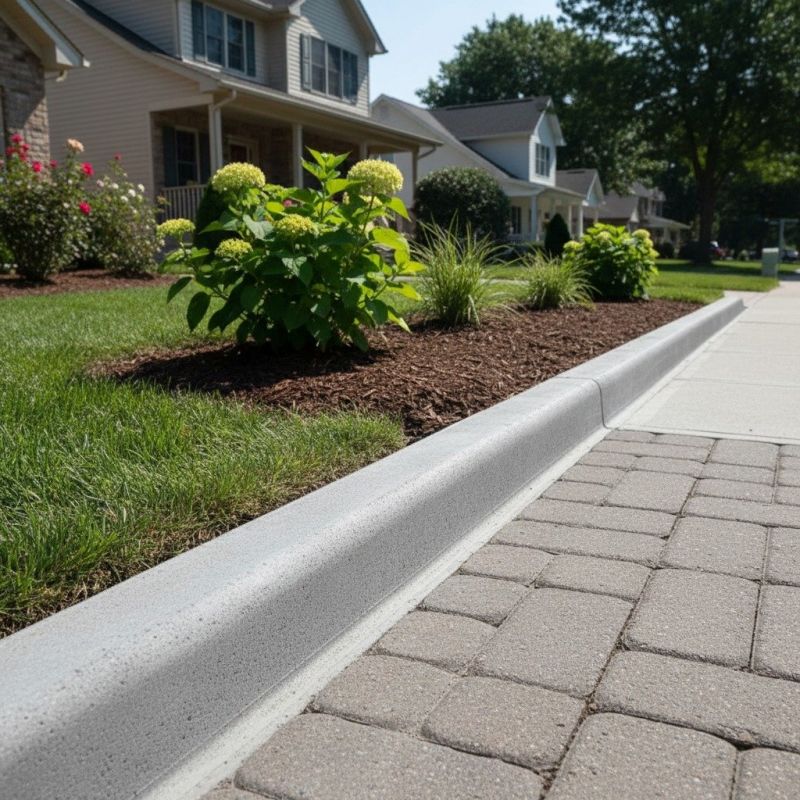
When evaluating contractors for concrete curbing or edging services, it is important to consider their experience with similar projects. Homeowners should inquire about the types of landscapes or properties the service providers have worked on in the past, ensuring they have a track record of completing concrete curbing installations or repairs that match the scope of the desired project. A contractor with relevant experience can better anticipate potential challenges and deliver results that align with expectations, whether it’s creating durable concrete borders or customizing designs that complement the overall landscape.
Clear written expectations are essential when comparing local contractors for concrete curbing or edging services. Homeowners should seek detailed proposals or project descriptions that outline the scope of work, materials to be used, and the approximate process involved. This helps prevent misunderstandings and ensures that both parties are aligned on project outcomes. A professional service provider will be transparent about what is included in their service, providing documentation that clarifies the work to be performed and the standards to be maintained, which is especially important when choosing between concrete curbing and alternative edging materials like plastic or metal.
Reputable references and effective communication are key factors in selecting the right contractor for concrete curbing or edging. Homeowners are encouraged to ask for references from previous clients who had similar work done, as this provides insight into the quality of workmanship and reliability of the service provider. Additionally, good communication throughout the process-from initial consultation to project completion-helps ensure that questions are answered promptly and concerns are addressed. A contractor who listens carefully and responds clearly can make the entire experience smoother and more predictable, whether the project involves traditional concrete curbing or alternative edging options.
Property owners often search for concrete curbing vs. plastic or metal landscape edging when they are planning practical projects around their homes and businesses. Local pros provide Concrete Curbing or Edging Service services for everyday jobs and straightforward project options.
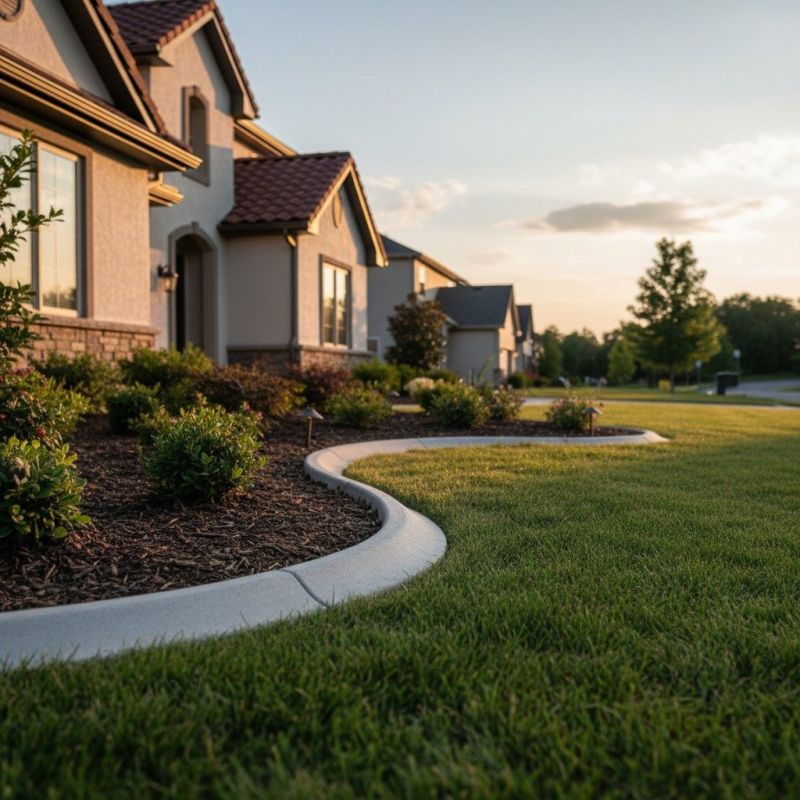
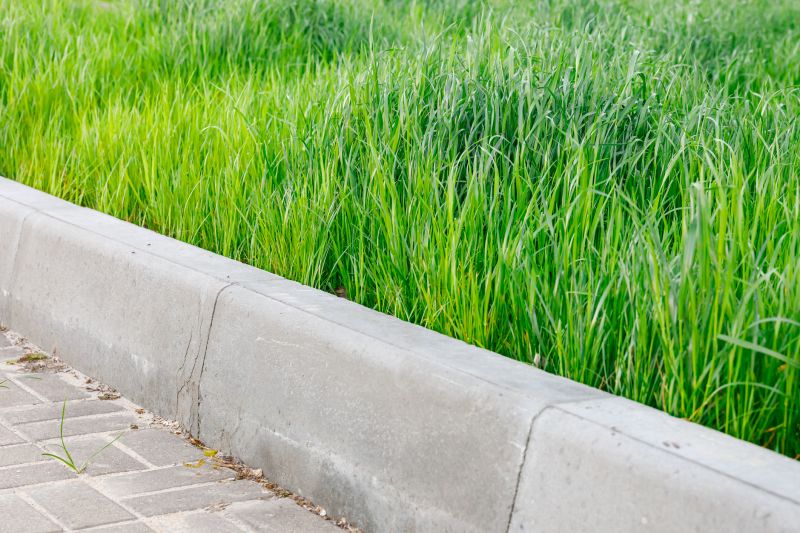
When considering landscape edging options, property owners often weigh the durability and appearance of concrete curbing versus plastic or metal landscape edging. Concrete curbing is known for its strength and long-lasting nature, making it suitable for defining garden beds, walkways, or property boundaries that need to withstand foot traffic and weather conditions. Local contractors who specialize in concrete curbing can provide a seamless, integrated look that enhances curb appeal and reduces frequent repairs or replacements common with plastic or metal alternatives.
Plastic or metal landscape edging is typically chosen for its affordability and ease of installation, especially for smaller projects or DIY enthusiasts. However, property owners might seek out local service providers for concrete curbing when seeking a more permanent, low-maintenance solution that offers a clean, professional finish. These local contractors can help evaluate the specific needs of a property, ensuring that the chosen edging material best suits the landscape’s design and functional requirements.
What are the main differences between concrete curbing and plastic or metal landscape edging? Concrete curbing is a durable, permanent option that is poured and shaped on-site, while plastic or metal edging is typically lightweight, easy to install, and removable. Local contractors can help determine which material suits specific landscape needs and preferences.
How does the durability of concrete curbing compare to plastic or metal edging? Concrete curbing generally offers greater longevity and resistance to weather and physical damage compared to plastic or metal edging, which may need replacement over time. Service providers can advise on the best material based on the landscape conditions.
Can concrete curbing be customized to match a property's style? Yes, concrete curbing can be customized with different colors, textures, and shapes to complement a landscape design, whereas plastic or metal edging options are usually limited in style choices. Local pros can create designs that enhance curb appeal.
Is concrete curbing more difficult to install than plastic or metal edging? Installing concrete curbing typically requires more preparation and skill, often involving pouring and shaping on-site, whereas plastic or metal edging is usually easier to install with basic tools. Experienced service providers can handle the installation efficiently.
What maintenance is required for concrete curbing versus plastic or metal landscape edging? Concrete curbing generally requires minimal maintenance and is resistant to pests and rot, while plastic or metal edging may need occasional adjustments or replacements. Local contractors can provide guidance on upkeep for each option.
Durability considerations - Property owners can choose concrete curbing for areas needing long-lasting borders around flower beds or driveways, with local contractors providing expert installation.
Design flexibility - Plastic or metal landscape edging offers easy customization for curves and intricate designs, ideal for creative landscaping projects handled by local service providers.
Installation complexity - Concrete curbing typically requires professional equipment and skills, making it suitable for larger projects or permanent borders managed by local pros.
Maintenance needs - Plastic or metal edging may require less upkeep over time, making it a practical choice for homeowners seeking minimal maintenance, with local contractors assisting in installation.
If you are thinking about concrete curbing vs. plastic or metal landscape edging for a property, this guide is meant to help you understand this topic, the typical project types, and how different options might fit your plans.
When you are ready, you can use the quote form on this page to share a few details about your project. From there, local pros can review the basics and follow up with options that match what you have in mind.